Artificial Intelligence, commonly known as AI, has become one of the most revolutionary forces of the 21st century. It is no longer just a concept from science fiction movies or academic research papers. Today, AI is a real and practical technology shaping our daily lives, industries, and even the way we think about the future. From voice assistants like Siri and Alexa to self-driving cars and advanced medical diagnostics, AI is everywhere, and its influence is growing rapidly.
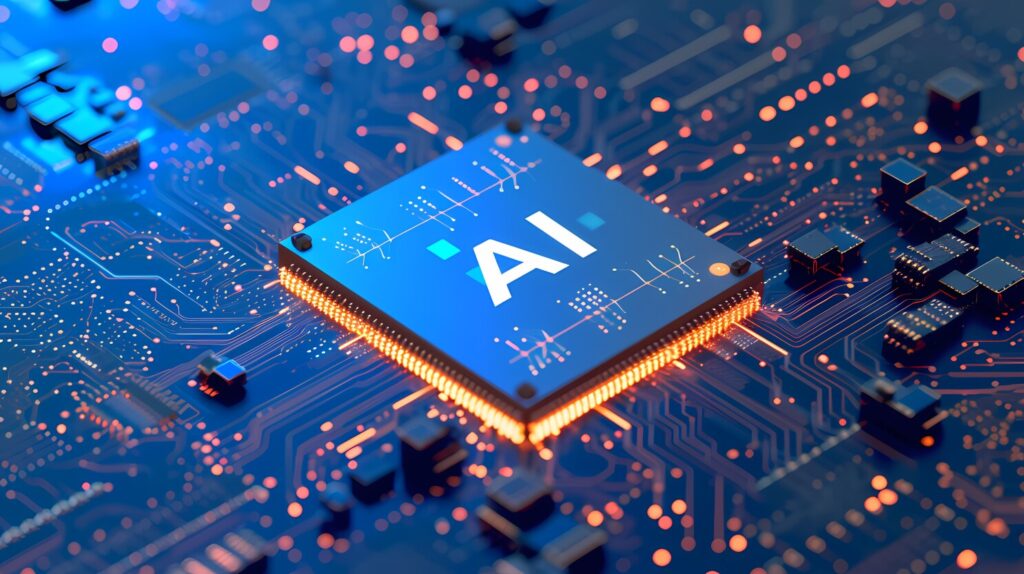
Table of Contents
ToggleWhat is AI?
AI refers to the ability of machines to perform tasks that typically require human intelligence. This includes learning from data, recognizing patterns, solving problems, understanding languages, and even making decisions. Unlike traditional computer programs that only follow strict instructions, AI systems are designed to adapt and improve over time. This makes them powerful tools that can handle complex problems across different fields.
Everyday Examples of AI
Even if you don’t realize it, AI is already integrated into your daily routine. When you unlock your phone with facial recognition, you are using AI. When Netflix suggests a new series you might like, that’s AI analyzing your viewing habits. Google Maps, spam filters in emails, and even online shopping recommendations are powered by AI algorithms. These examples show that AI is not just about futuristic robots but practical solutions improving our convenience.
AI in Business and Industry
Companies around the world are adopting AI to streamline operations and provide better services. In finance, AI helps detect fraud and predict market trends. In manufacturing, robots powered by AI are assembling products faster and with fewer errors. Customer service has also changed with AI-powered chatbots that are available 24/7, answering queries instantly. By reducing costs and improving efficiency, AI is giving businesses a strong competitive edge.
AI in Healthcare
Perhaps one of the most exciting applications of AI is in healthcare. AI systems can analyze medical images to detect diseases like cancer at very early stages, sometimes with greater accuracy than human doctors. They can also predict patient risks, suggest treatment plans, and help researchers discover new drugs faster. During the COVID-19 pandemic, AI played a role in tracking the spread of the virus and supporting vaccine development. As AI continues to evolve, it has the potential to save millions of lives.
The Role of AI in Education
Education is another sector being reshaped by AI. Online learning platforms use AI to personalize lessons for each student. For example, if a student struggles with mathematics but excels in reading, AI can adjust the learning material to focus more on math practice. Virtual tutors powered by AI can provide explanations anytime, making learning more flexible and inclusive. In the future, AI could ensure that education is accessible to everyone, regardless of their location or background.